Source MPT MPV Hydraulic Pump for Machinery, Construction, and Agriculture
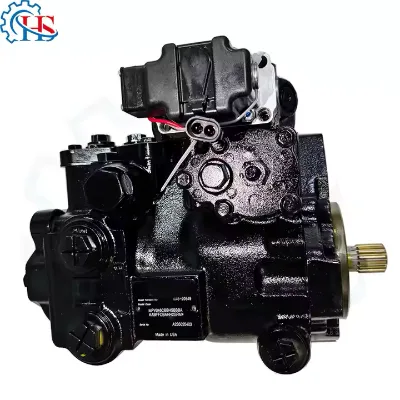
Explore 30 listings for mpt mpv hydraulic pump options including axial and radial plunger types. Buyers can compare specifications like displacement, flow rate, and material to find suitable units for industrial machinery applications; compare the available evidence and request quotations based on your requirements.
Key considerations
Products List




Comprehensive Sourcing Guide
Mpt Mpv Hydraulic Pump Sourcing Guide
Procuring MPT and MPV series hydraulic pumps requires a disciplined approach to verifying technical compatibility and commercial terms. These axial piston pumps are widely utilized in heavy machinery and industrial equipment where high-pressure performance and reliability are critical. Buyers must navigate a market characterized by diverse model variations, such as the MPT044D and MPV046, each offering distinct displacement and flow characteristics. Understanding the specific operational requirements of your application is the first step in selecting the correct unit, ensuring that the pump integrates seamlessly with existing hydraulic systems without compromising efficiency or safety.
The sourcing landscape for these components is dominated by manufacturers in China, particularly in regions like Guangdong and Zhejiang, which are known for their robust manufacturing capabilities. While many suppliers offer customization and competitive pricing, the quality of the final product can vary significantly based on the supplier’s adherence to engineering standards. Buyers should prioritize suppliers who provide transparent technical documentation and clear communication regarding material composition, such as cast iron construction, and performance metrics like low noise and long life expectancy. This diligence helps mitigate the risk of receiving substandard components that may fail prematurely under high-pressure conditions.
Product Scope and Observed Listing Signals
The observed product listings reveal a wide range of specifications, indicating that the MPT and MPV series encompass multiple configurations tailored to different industrial needs. Key attributes include variable hydraulic piston designs, with some models featuring straight shaft swashplate pistons and others utilizing self-absorbing mechanisms. The cylinder configurations vary from single to multi-cylinder setups, allowing for flexibility in power output and flow rate. Buyers should carefully review the listed displacement ranges, which typically span from 23 to 44 cubic centimeters, to ensure the selected pump meets the specific volumetric requirements of their hydraulic circuit.
Listing signals also highlight important operational parameters, such as maximum flow rates reaching up to 3600 R/Min and high-pressure capabilities. The drive mode is consistently described as hydraulic-driven reciprocating, which is standard for this type of equipment. Additionally, the media compatibility is specified as oil, which is typical for hydraulic systems. Buyers must verify these signals against their actual system requirements, as discrepancies in flow rate or pressure ratings can lead to system inefficiencies or component failure. The presence of customization options suggests that suppliers can adapt these pumps to specific mounting or shaft position needs, whether horizontal or vertical.
Technical Specifications to Verify
Verifying the technical specifications of MPT and MPV hydraulic pumps is crucial for ensuring proper integration into your machinery. The pump shaft position, whether horizontal or vertical, must match the physical constraints of your installation space. Additionally, the type of valve with flow control and the axial flow design should be confirmed to ensure compatibility with your system’s hydraulic logic. Buyers should also check the cylinder number, as single-cylinder pumps may offer different performance characteristics compared to multi-cylinder variants, affecting the smoothness and efficiency of the hydraulic operation.
Material composition is another critical specification to verify, with cast iron being a common material for the pump body due to its durability and resistance to wear. The displacement range, typically between 23 and 44 cc, directly influences the pump’s output capacity, so buyers must select a model that aligns with their system’s flow requirements. Furthermore, the performance evaluation should ideally match original equipment manufacturer standards to ensure consistent operation. Buyers should request detailed technical drawings and performance curves from suppliers to validate these specifications before making a purchase decision.
Compliance and Safety Documentation
Compliance and safety documentation are essential for ensuring that the hydraulic pumps meet international standards and regulatory requirements. The CE certification is a common indicator of compliance with European health, safety, and environmental protection standards, which is particularly important for buyers operating in or exporting to European markets. Buyers should request valid certification documents from suppliers to verify that the pumps have undergone the necessary testing and quality control processes. This documentation provides assurance that the product meets specific safety criteria, reducing the risk of accidents or operational failures.
In addition to CE certification, buyers should inquire about other relevant standards, such as ISO 9001, which indicates a robust quality management system. While not all suppliers may explicitly list these standards, their presence is a strong indicator of a supplier’s commitment to quality and consistency. Buyers should also verify that the pumps are supplied with comprehensive user manuals and maintenance guidelines, which are crucial for proper installation and ongoing operation. Ensuring that all necessary documentation is provided helps streamline the procurement process and facilitates easier integration into existing systems.
Cost Drivers and Commercial Terms
The cost of MPT and MPV hydraulic pumps is influenced by several factors, including the model, displacement, and material composition. Prices can vary significantly, with some listings indicating a wide range from $10 to over $111,000, reflecting the diversity of available configurations and the potential for high-end industrial applications. Buyers should be aware that the final price often requires confirmation with the supplier, as it may depend on specific customization requests or volume discounts. Understanding these cost drivers helps buyers budget effectively and negotiate favorable terms with suppliers.
Commercial terms, such as minimum order quantity (MOQ) and delivery time, also play a significant role in the procurement process. Many suppliers offer an MOQ of just one piece, making it accessible for small-scale projects or replacement parts. Delivery times can be as short as one to three days for items in stock, which is beneficial for urgent maintenance needs. However, buyers should confirm the availability of stock and the transportation options, which may include express, sea, or air freight, to ensure timely delivery. Clear communication regarding these terms helps avoid unexpected delays or additional costs.
Supplier Qualification and Quality Control
Supplier qualification is a critical step in ensuring the reliability and quality of MPT and MPV hydraulic pumps. Buyers should prioritize suppliers who demonstrate a strong track record in manufacturing hydraulic components and who provide transparent information about their production processes. The origin of the pumps, often from regions like Guangdong or Zhejiang in China, can be an indicator of manufacturing expertise, but buyers should still conduct thorough due diligence. Verifying the supplier’s business license, production capacity, and quality control measures helps mitigate the risk of receiving substandard products.
Quality control measures should include rigorous testing of the pumps to ensure they meet specified performance criteria, such as high pressure and low noise operation. Buyers should request test reports or performance evaluations that confirm the pump’s quality and longevity. Additionally, suppliers should provide clear packaging instructions, such as standard export cartons or wooden cases, to protect the pumps during transit. By focusing on suppliers with robust quality control systems, buyers can ensure that the hydraulic pumps they procure will perform reliably in their applications, reducing the risk of downtime and maintenance costs.
Long-Term Procurement Checks
Long-term procurement checks are essential for maintaining a reliable supply chain for MPT and MPV hydraulic pumps. Buyers should establish regular communication with their suppliers to monitor any changes in product specifications, pricing, or availability. This proactive approach helps buyers stay informed about potential disruptions or improvements in the product line. Additionally, buyers should periodically review their inventory levels and usage patterns to anticipate future needs and avoid stockouts. Maintaining a strong relationship with suppliers can also facilitate faster response times and better support in case of technical issues.
Performance monitoring of the installed pumps is another key aspect of long-term procurement. Buyers should track the operational performance of the pumps, including flow rates, pressure stability, and noise levels, to identify any signs of wear or degradation. Regular maintenance and timely replacement of worn components can extend the lifespan of the pumps and ensure consistent performance. By implementing a comprehensive long-term procurement strategy, buyers can optimize their hydraulic systems, reduce operational costs, and enhance the overall efficiency of their machinery.
FAQs
What is the maximum flow rate for the MPT series pump?
The maximum flow rate reaches 3600 R/Min for specific models. This capacity varies depending on the exact model selected, such as MPT044D or MPV046, ensuring flexibility for different machinery requirements.
Can I customize the hydraulic pump specifications?
Customization is available for these hydraulic pumps to meet specific operational needs. Buyers can request tailored solutions while maintaining high quality and long life effects, ensuring the product fits unique application scenarios.
What is the minimum order quantity for these pumps?
The minimum order quantity is one piece for most models. This low MOQ allows buyers to test products or fulfill small project needs without committing to large inventory volumes immediately upon purchase.
Which certifications do these hydraulic pumps hold?
These pumps hold CE certification to ensure compliance with safety standards. This certification validates the product quality and reliability, making them suitable for various industrial machinery applications requiring certified components.
How long is the delivery time for stock items?
Delivery time is typically one to three days for items based on stock. This rapid turnaround ensures quick availability for urgent machinery needs, provided the specific model is currently held in inventory by the supplier.
What material is used to construct these pumps?
Cast iron is the primary material used for constructing these hydraulic pumps. This robust material choice contributes to the durability and high-pressure performance required for demanding industrial machinery applications.
Where are these hydraulic pumps manufactured?
These pumps are manufactured in Guangdong, China, with origins in Ningbo, Zhejiang. This location supports efficient production and logistics, ensuring reliable supply chains for international buyers seeking high-quality hydraulic components.